
There’s a kind of confidence that has nothing to do with bravado.
It’s quieter than that. It doesn’t announce itself. It doesn’t post about itself on LinkedIn. It shows up in the texture of how someone runs their business — in how calmly they move through their week, how unsurprised they are by what’s coming, how rarely they have to scramble.
That kind of confidence isn’t a personality trait. It’s a byproduct.
Most of what gets called “confidence” in business is actually performance — the projection of certainty for the benefit of customers, employees, or social media. That kind of confidence is exhausting because it requires constant maintenance. The person performing it has to keep up the act even when they’re not sure what’s actually happening underneath.
Real confidence is different. It comes from knowing. Not from believing — from knowing. Knowing what’s in your pipeline because you can see it. Knowing your follow-up is handled because the system handled it. Knowing nothing slipped today because the architecture is built to catch what slips.
That’s the kind of confidence you can’t fake, because it’s not a feeling. It’s a set of facts about how your business is actually structured.
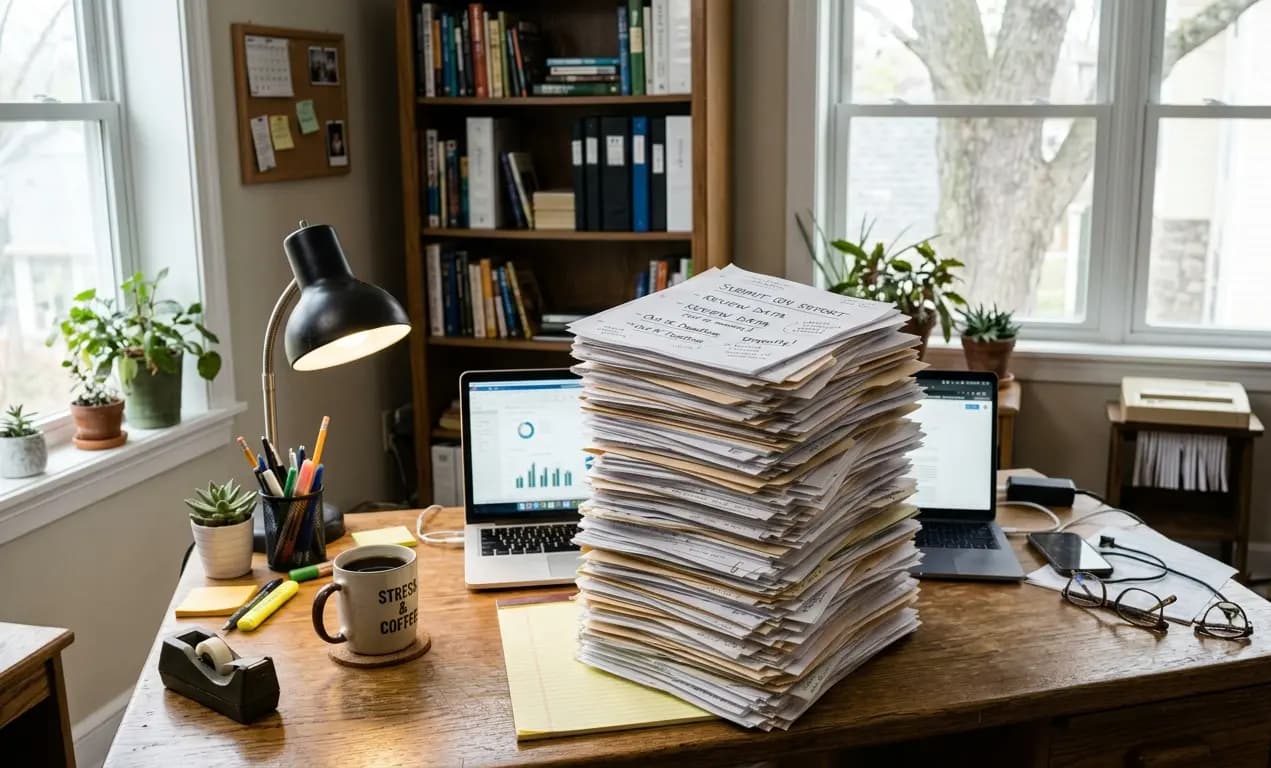
Most business owners spend most of their careers operating in a state of low-grade guessing.
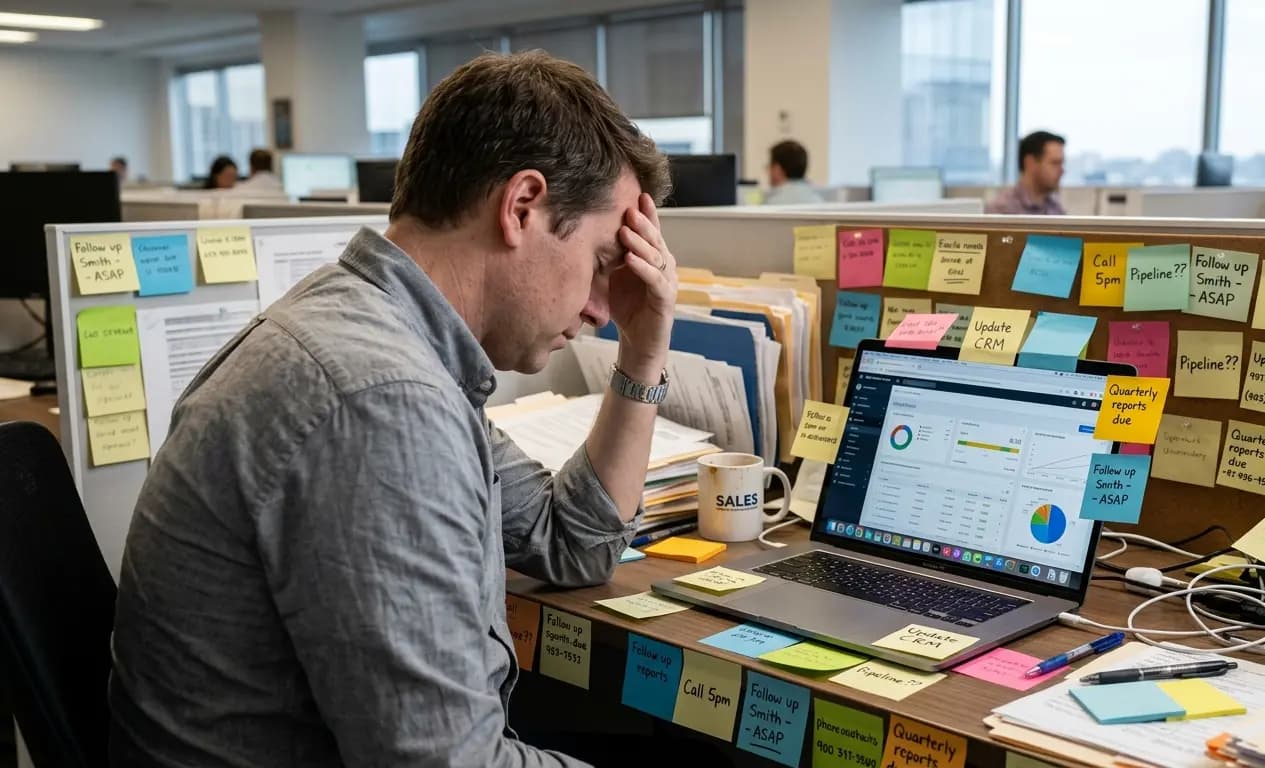
Guessing whether the lead they thought was warm is still warm. Guessing whether the client who went quiet is happy or about to churn. Guessing whether the marketing they’re running is actually working or just feels productive. Guessing whether they’ll hit the month because the dashboard hasn’t been updated since last Tuesday.
Each individual guess is small. The accumulated weight of them is enormous. By Friday afternoon, the cognitive load of running a business mostly on guesses leaves people exhausted in a way that has nothing to do with how much actual work they did.
The shift from guessing to knowing isn’t dramatic. It doesn’t feel like a transformation. It feels like the slow disappearance of background uncertainty. One week you notice you didn’t have to ask yourself “what am I missing?” once. The next week, you stop carrying the question at all.
That’s what confidence built on architecture actually looks like.
Not louder. Not bolder. Not more certain. Just less anxious. Less reactive. More present in the conversations and decisions that actually matter, because the ones that don’t actually matter are being held by something that wasn’t your brain.
The best business owners aren’t the most confident performers. They’re the calmest operators. And the calmest operators almost always have one thing in common: they stopped relying on themselves to remember the things a system should be remembering for them.
This is the version of confidence Apex Suite AI was built around. Not certainty as a posture. Certainty as a byproduct of better architecture. The quiet kind. The kind that holds up on a Tuesday afternoon when nothing feels urgent and everything is just working.
That’s what stops feeling like guessing.
And starts feeling like running a business.