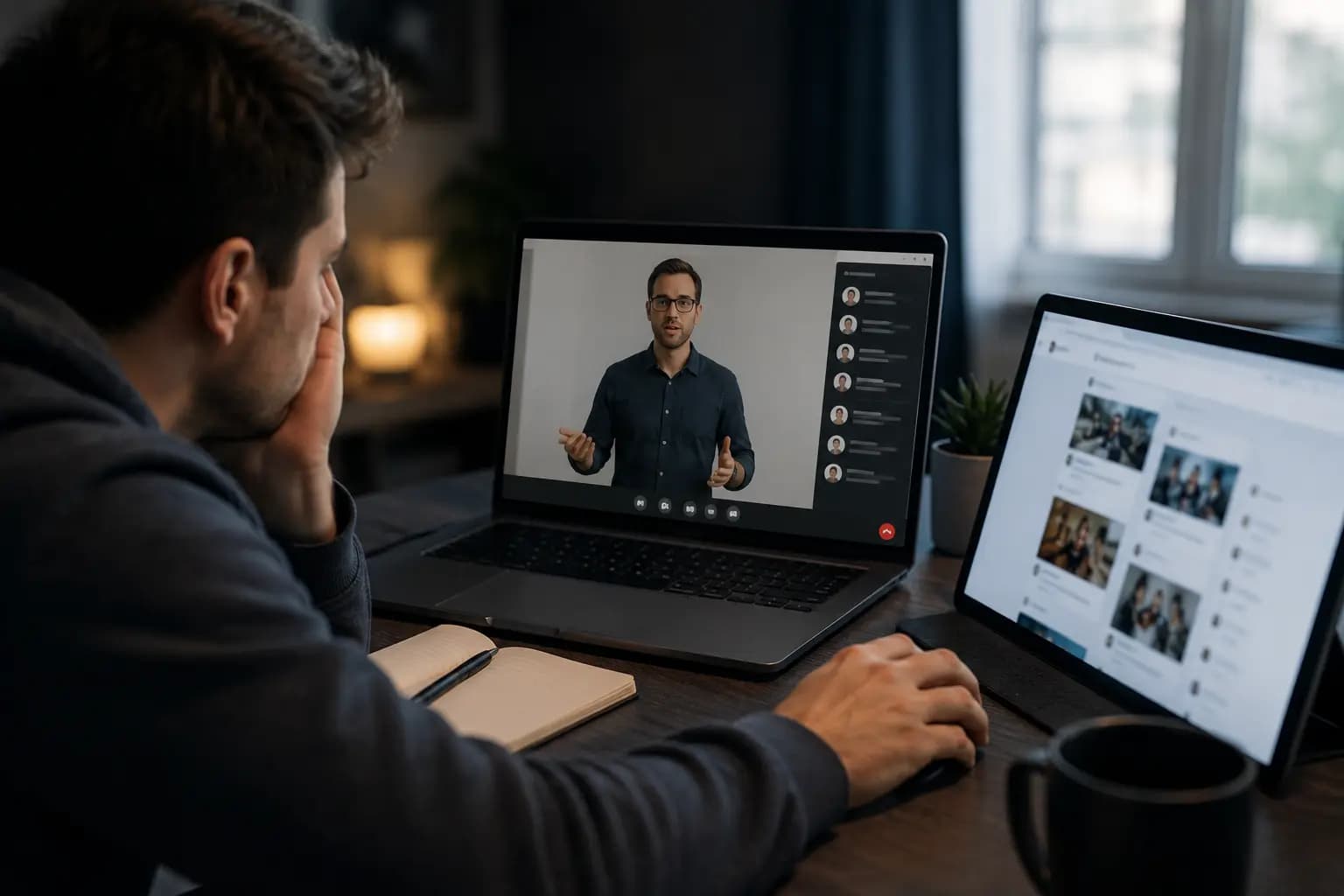

Every business owner carries a low background hum.
It’s not loud. It’s not panic. It’s quieter than that — a soft, persistent question that runs underneath the workday and never quite resolves: what am I forgetting?
Which lead haven’t I followed up with. Which client deserved a check-in this week. Which task got scheduled and then quietly fell off the radar. Which conversation was I supposed to circle back on. The hum doesn’t show up in any one moment. It accumulates across the week, and it taxes something most business owners don’t realize they’re paying — their confidence in their own work.
This is the part of business ownership nobody warned you about.
It’s not the big decisions that wear you down. The big decisions are clarifying. They have edges. You make them, and you move on. What wears you down is the dozens of micro-uncertainties that never get resolved — the open loops, the half-tracked relationships, the things that are probably fine but might not be.
Over a week, those open loops compound. By Friday afternoon, you don’t feel exhausted because the work was hard. You feel exhausted because your brain has been running a background process for five days, trying to keep track of things that should have been tracked by something else.
That background process is the real cost of fragmented systems. It doesn’t show up on your calendar. It doesn’t show up in your tool stack. It shows up in how tired you are by Friday.
There’s a different kind of tired that comes from a week where the systems were holding everything for you.
It’s not absence of work. The work was the same work. But the surrounding hum is gone. The micro-uncertainties got handled by something that wasn’t your brain. The open loops closed quietly in the background. By Friday afternoon, you’re tired the way you should be tired — from doing your actual work, not from carrying the weight of work you weren’t sure you’d remembered to do.
That kind of tired feels different. It feels earned. It feels like the week mattered. It feels like Saturday actually starts when you close the laptop, not three hours later when your brain finally stops cycling through the things you might have missed.
This is the quiet thing good architecture gives you that no feature list will ever capture.
Not more output. Not more speed. Not more dashboards. Just the steady, settled feeling of knowing that nothing important slipped today — because the system was watching the things you couldn’t, and it would have told you if something needed your attention.
That feeling, more than any productivity metric, is what people are actually buying when they invest in better systems. The confidence that they’re not carrying the entire business in their head anymore. The permission to close the laptop and trust that tomorrow won’t open with a surprise about something they should have done yesterday.
This is what Apex Suite AI was built to deliver. One operating system. Less friction. The quiet confidence of knowing nothing slipped today.
That’s what the work was always supposed to feel like.